
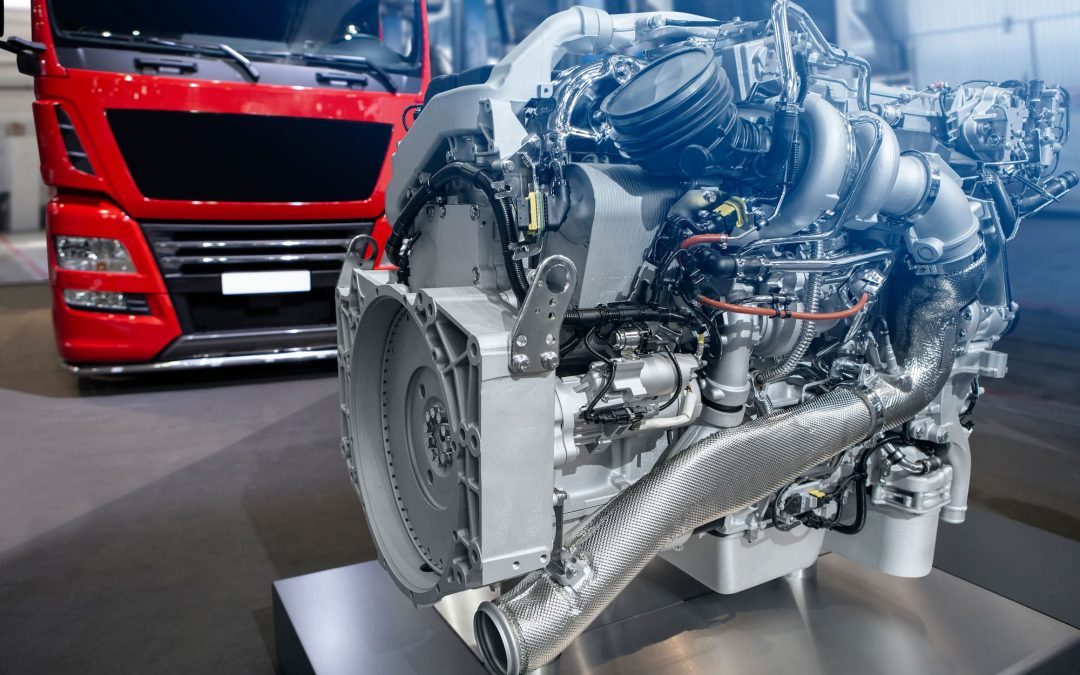
A recent proposal on regulatory mandates could result in the EPA ending DEF derates for carriers. On July 9, the Environmental Protection Agency (EPA) proposed reversing parts of its 2023 heavy-duty nitrogen oxide regulations. A major part of the proposal is the elimination of diesel exhaust fluid (DEF) engine derates. DEF derates are safety features built into modern diesel carriers that reduce engine power, vehicle speed, and torque. When a derate occurs, the vehicle experiences reduced acceleration and greater difficulty pulling loads to safeguard its engine. The EPA’s proposal of this mechanism could have a significant impact on the domestic shipping industry.
Why Is The EPA Planning To End DEF Derates?
The EPA is planning to end DEF derates for various reasons, including ending operational disruptions. Derates may force a truck into a reduced-power mode, reducing speeds and making it harder to complete deliveries. Rapid speed reductions on the highway could lead to an accident with nearby vehicles. Shutdowns could also disrupt supply chains due to delays and missed deliveries. Another issue with DEF derates is that it may result in costly upfront and other costs. Truckers in the domestic shipping industry could save $12 billion and reduce upfront truck costs by nearly $6,000. The proposed policy changes will undergo a 45-day comment period before the EPA confirms them.
What Could The EPA Ending DEF Derates Mean For Domestic Shipping?
If the proposal to end DEF derates goes through, it could have both positive and negative effects on the industry. Halting a truck transporting cargo can be dangerous and impact the supply chain. Instead of limiting a truck’s performance, the changes will allow visible or audible alerts regarding engine performance. Along with lower costs for truckers, ending derates will increase uptime and allow carriers to complete deliveries. The negative impact of removing derates is that, without a shutdown when the sensor detects an emission fault, nitrogen oxide emissions can increase. Another problem is that not fully stopping the carrier during an emission fault could cause further emission damage.
An essential part of shipping your goods by truck is understanding the regulations and how they could affect your shipment. Failing to stay current with regulations can lead to potential disruptions in your supply chain. To understand what to expect when starting, it is beneficial to speak with a freight broker such as A1 Freight Solutions. Brokers act as intermediaries between carriers and shippers, coordinating domestic cargo movement. They do this by offering services such as document preparation, rate negotiation, carrier sourcing, consulting, and more. Reach us at info@a1fsinc.com or 786-375-9420 to begin transporting your shipment domestically. Along with FTL (full-truckload) and LTL (less-than-truckload) services, we also provide drayage, temperature-controlled, heavy-haul, and more.