
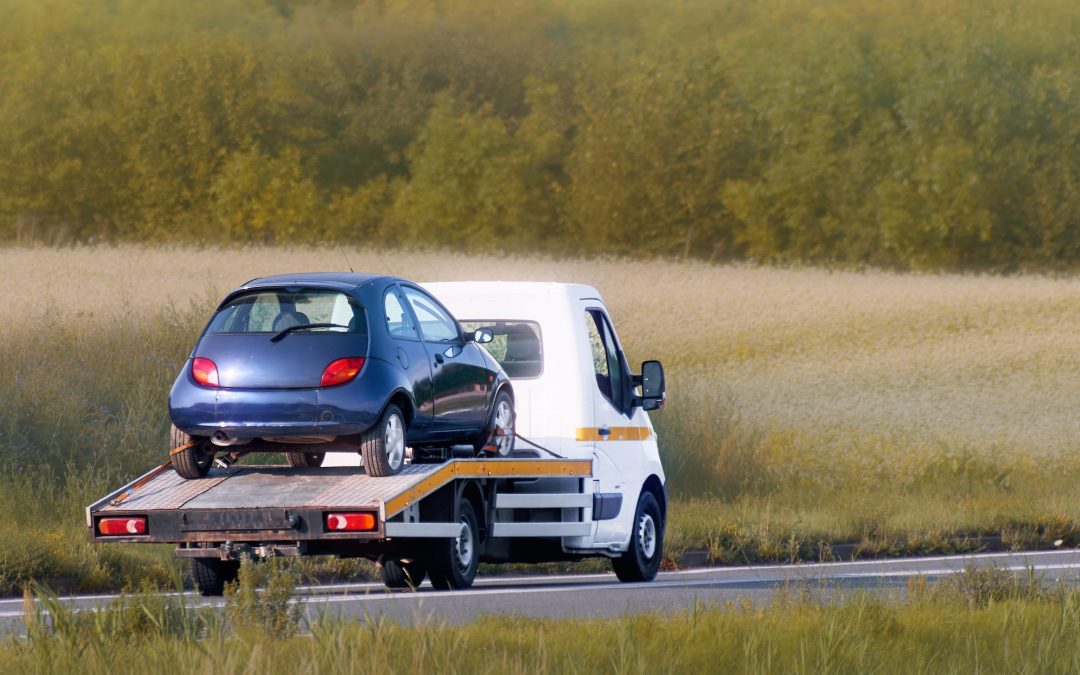
While a common type of shipment, transporting vehicles by truck involves many considerations shippers should understand. Each year, over 14 million cars are transported across the US by carriers. Despite being a relatively safe mode of transport, various parts of the shipment can go wrong, affecting the entire process. For example, if the transporter does not strap the car down properly, it could result in damage from rubbing. Moving the vehicle over long distances, including across state lines, further increases the risk of disruptions. To prevent disruptions, shippers should be aware of several things before starting. Although shippers can transport cars internationally, this article will focus on domestic shipping.
What Should You Know Before Transporting Vehicles By Truck?
Before deciding to transport vehicles domestically, the shipper must understand the factors that impact cost. Some factors include vehicle size and weight, shipping distance, pickup and delivery locations, fuel prices, and vehicle type. Shippers should also understand whether to choose open or closed transport. Open transport is typically cheaper than closed transport, but the vehicle is exposed to the weather, whereas closed transport is more expensive but provides greater safety. The vehicle owner should prepare the vehicle by removing personal items and loose parts. They should also clean and document it to protect themselves by establishing the vehicle’s condition before the journey. The documentation may also protect the carrier against potential disputes.
What Is The Process?
After deciding on a transport method, the shipper must obtain one or more quotes for the transport cost. Along with removing personal items and documenting the car’s condition, the gas tank must be at or below a quarter tank. Keeping a quarter tank allows the car to weigh less while having enough gas to get around. After handing an extra set of keys to the driver and signing the Bill of Lading, the journey will begin. Many trucking companies allow tracking of a vehicle’s location and updates along the way to the final location. If any damage not previously documented is found after the delivery, the shipper should file a claim with the carrier’s insurance provider.
Although this article explains the process for transporting vehicles, it may still be difficult for inexperienced shippers. Failure to understand the process can lead to delays and monetary loss. When shipping vehicles, it’s ideal to speak with a freight broker like A1 Freight Solutions. Brokers act as middlemen between shippers and carriers, coordinating the movement of goods on behalf of the shipper. They achieve this by offering a range of services, including documentation, rate negotiation, freight arrangements, and more. In addition to vehicles, we can transport a wide range of other goods by truck to their final destinations. Contact us at info@a1fsinc.com or 786-375-9420 to ensure a successful domestic transportation.