
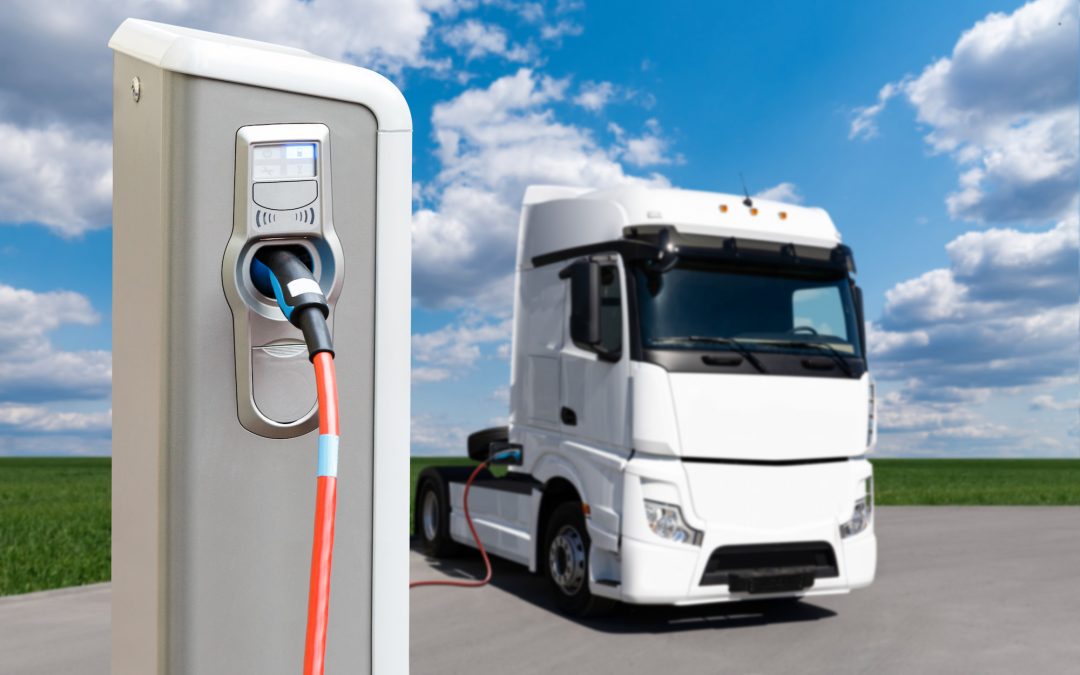
Domestic shipping may soon see an increase in electric trucks in long-haul shipping. An electric semi-truck is a carrier that relies on batteries rather than gas to power its motor. These trucks have typically been used for local or regional transport due to limited charging infrastructure and battery life. However, technological advances have enabled battery-powered vehicles to travel hundreds of miles on a single charge. While the US has yet to make a significant adaptation, more than 12% of Class 7 and 8 trucks sold were electric. Despite the potential for electric trucks to become more common in long-haul, there can be challenges as well.
What Could Be The Benefits Of Electric Trucks In Long-Haul Shipping?
Electric trucking has become more popular in recent years due to its benefits, including lower long-term costs. While the upfront cost can be higher, battery power is cheaper in the long run than using gasoline. Electric carriers also require less maintenance because they don’t need oil changes or other costly repairs. Another major benefit is their effect on the environment. Electric semi-trucks reportedly reduce greenhouse gas emissions by approximately 60% to 85% throughout their lifecycles compared to diesel-powered trucks. On a large scale, this could be substantial, given the number of carriers operating in the US. Other benefits include a greater driver experience and more federal and state incentives.
What Are the Obstacles In Using Electric Trucks In Long-Haul?
Although an increase in electric carriers in long-haul trucking may bring benefits, there may also be obstacles to full adoption. Battery-powered trucks require charging infrastructure, and the US currently lacks enough stations to support long-haul. Charging also takes longer than gas stations, which will extend the delivery process across states. Additionally, Electric trucks carry large batteries, which can reduce the amount of cargo they can carry compared to non-electric carriers. Reducing the total cargo to accommodate its mass and size will lower per-trip profit. Despite the obstacles, many believe that electric trucks will be significantly more common in domestic shipping.
While a nationwide switch to completely electronic carriers may be a long time away, shippers must still move cargo domestically. While starting may seem daunting for inexperienced shippers, an ideal way to begin is to speak with a freight broker. Brokers are intermediaries between shippers and carriers, coordinating cargo transport for shippers. They do this by having a network of carriers ready to ship cargo. Brokers also offer solutions such as providing documentation, finding rates, arranging freight movement, and more. Contact A1 Freight Solutions at info@a1fsinc.com or 786-375-9420 to speak with a broker regarding your shipment’s success. Along with FTL (full-truckload) and LTL (less-than-truckload) services, we also provide heavy-haul, drayage, temperature-controlled, and more.