
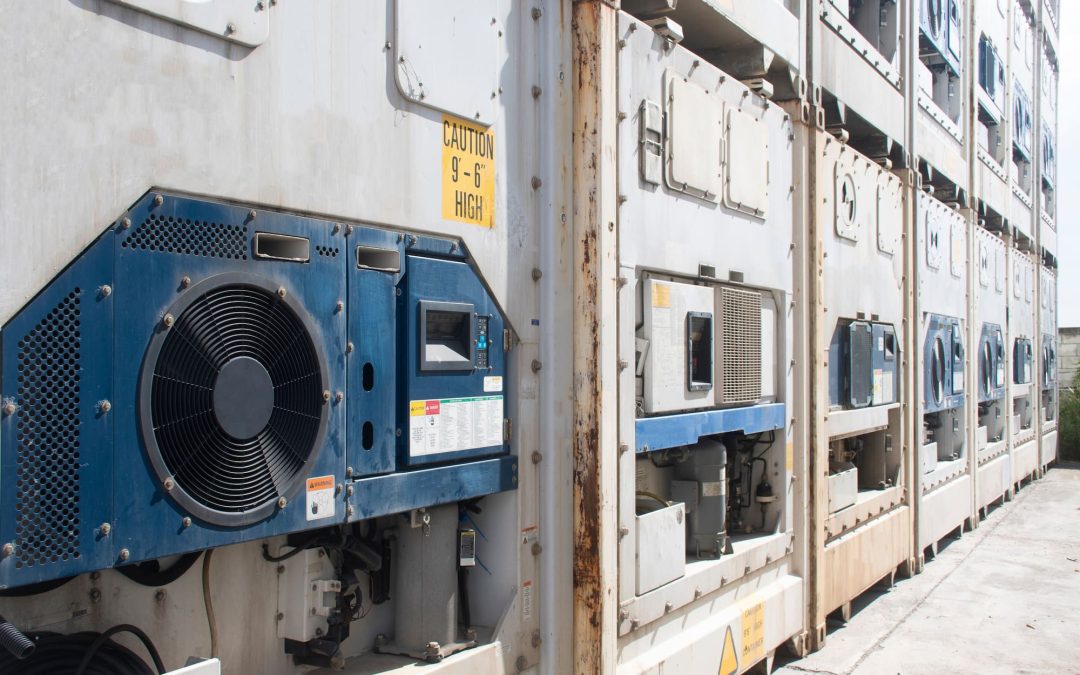
Despite its growing popularity in domestic shipping, many shippers don’t understand what are reefer telematics. Telematics is the use of telecommunications and information technology to send, receive, and store information. They have been increasingly used in the domestic shipping industry to gather information about carriers. Likewise, reefer telematics are monitoring systems that track and manage information about refrigerated freight trailers, or reefers. Interest in these technologies has grown over the last few years, with numerous trucking companies and 3PL’s adapting them. This article will explain what reefer telematics are and why trucking companies have begun using them more in domestic shipping.
What Are Reefer Telematics And Why Are They Growing?
As previously mentioned, reefer telematics are telematics specifically for refrigerated trailers and containers. They focus on perishable cargo inside the reefer, such as food, pharmaceuticals, and chemicals. The primary goal is to ensure that perishables remain at the appropriate temperature to prevent spoilage. Reefer telematics use technologies such as sensors, GPS, and wireless communication to do this. This provides shippers and logistics providers with essential data about the shipment. In turn, they are equipped with the necessary information to identify potential issues before spoilage occurs and to take corrective action before they become significant problems. If issues do occur, they also enable fleet managers to quickly notify the shipper, providing greater visibility.
Over the last decade, the domestic trucking industry has increasingly used reefer telematics to ship cargo. Along with the benefits they can provide for shipments, compliance is another reason. Mandates from various regulations, including the Food Safety Modernization Act (FSMA), have required greater traceability with cold chains. Along with the potential to avoid regulatory compliance costs, a decline in monetary damages has increased usage. Temperature-controlled failures cost the domestic shipping industry nearly $35 billion yearly. Truckers have also increasingly adopted telematics to meet shippers’ demand for greater visibility. While there are greater upfront costs, they are small compared to the potential long-term return.
A1 Freight Solutions
When moving cargo domestically, shippers must take the necessary steps in advance to avoid disruptions. In addition to being familiar with the shipping process and planning beforehand, speaking to a freight broker can be beneficial. Brokers act as middlemen between shippers and carriers, coordinating the movement of goods on behalf of the shipper. They do this by providing solutions like rate negotiation, documentation, and more. Brokers also provide consultation to help the shipper determine the best course of action. A1 Freight Solutions has brokers and more services to ensure a successful transport. Reach us at info@a1fsinc.com or 786-375-9420 to get a quote to transport your goods to their final destination.