
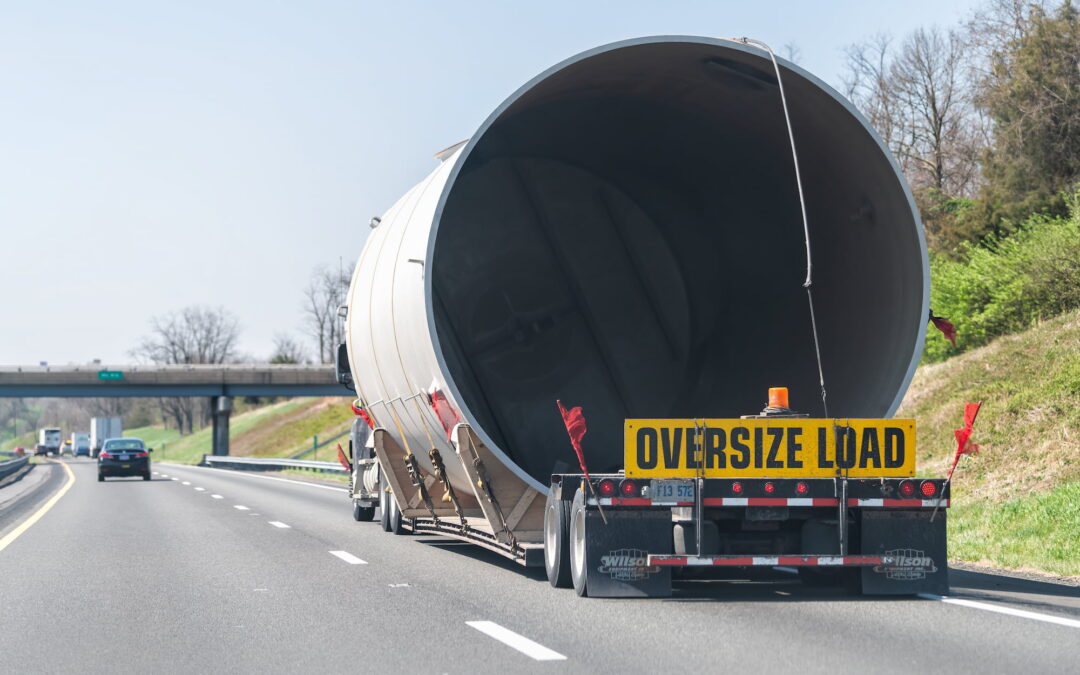
Despite its prevalence in domestic shipping, shippers often misunderstand key aspects when using heavy-haul trucking. Heavy-haul, or oversized trucking, is a type of shipping focused on moving huge cargo. Examples include large machinery, construction equipment such as bulldozers, wind turbines, bridge beams, and airplane parts. While qualifications can vary based on state, general qualifications include:
- Any cargo exceeding 80,000lbs in gross weight.
- Cargo that has a length of over 53ft
- Cargo that is over 8.5 feet wide or 13.5 feet high.
There are also specific federal guidelines for the weight an axle can carry. Given the critical role of heavy-haul in many industries, shippers should consider several factors when using this mode.
What Should Shippers Understand When Using Heavy Haul Trucking?
Due to the complexity of heavy-haul transport, shippers and carriers must be aware of various components when starting. To begin, heavy-haul cargo requires specialized equipment because of the size and weight of the goods. Examples of trailers include step decks, lowboys, double drop, goosenecks, and flatbeds. Each trailer can haul specific cargo, with step decks designed to accommodate loads too tall for a flatbed and goosenecks for moving large cargo over long distances. Shippers should also be aware that moving heavy-haul freight can be more time-consuming and expensive than transporting standard-size loads. Some factors contributing to costs include lode size, weight, distance, trailer type, and the number of required permits.
Heavy-haul shippers also require specific permits and regulatory compliance due to the nature of their cargo. Different states and local transport authorities may have their own permitting processes and requirements. Standard permit information includes specific travel routes, travel times, and safety requirements. Regulations may also require carriers to avoid certain roads or locations due to size limitations. Another consideration for shippers is the significant focus on safety for heavy-haul shipments. The large size makes the cargo more challenging to navigate through obstacles such as tight turns and high-congestion areas. To navigate this, the loads may move at certain times, such as at night or with a pilot vehicle.
What Are Some Challenges That Come With Heavy Haul Trucking?
Compared to regular domestic shipping, heavy hauling presents unique challenges that shippers must be aware of. Its complexity requires a high level of regulatory compliance from the shipper. One small mistake in the approved routes and speed limits can result in delays and monetary loss. Safety concerns are a significant challenge that can affect both the cargo and the surrounding area. A poorly secured load can result in a catastrophic accident from a small shift mid-transit. Shippers must also account for road restrictions such as construction zones, weight-restricted roads, and low-clearance bridges.
Despite the challenges of heavy-haul trucking, it remains an excellent option for domestic shipments. Shippers should, however, take appropriate steps in advance to prevent disruptions that could lead to delays and financial losses. An ideal way to begin moving larger cargo is by contacting a freight broker. Brokers act as intermediaries between shippers and carriers, arranging freight transport on behalf of the shipper. A1 Freight Solutions is a broker that provides oversize shipping services in Miami and across the US. Along with arranging transport, we do this by finding rates, providing paperwork, consultation services, and more. Contact our brokers at info@a1wwl.com or 786-376-9420 for a quote to begin using heavy-haul or other trucking services.