
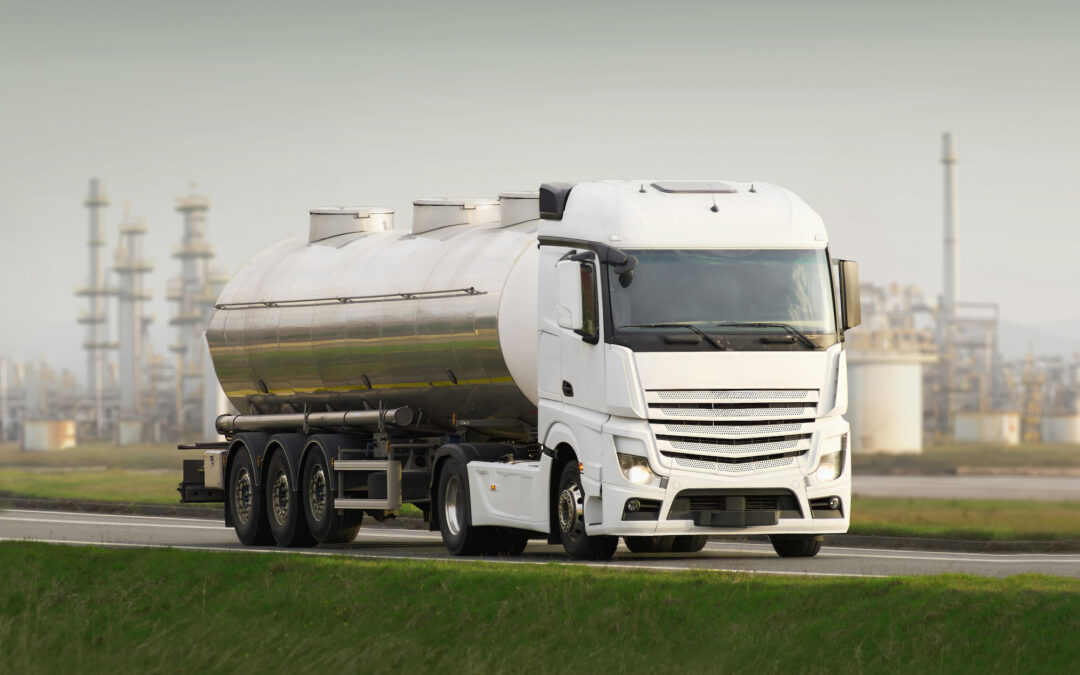
Domestic shipping is feeling the impact of the war in Iran as trucking costs continue to rise. An ongoing conflict in the Middle East between Iran and Israel has grown recently with US involvement. As a result, US supply chains that rely on goods from that location have felt bottlenecks. Along with longer import times, delays are resulting in higher transportation costs and negatively impacting food supply chains. While the war has significantly impacted international shipping, it has also been felt in moving goods domestically in the US. This article will explain how the war affects domestic shipping costs and how to navigate disruptions during this time.
Why Are Costs To Ship Domestically Growing?
The primary reason behind the continuing rise in costs is the location of the war. A major effect of the conflict was a reduction in the volume of traffic passing through the Strait of Hormuz. This strait is responsible for approximately 20% of the world’s oil and liquefied natural gas (LNG). With the Strait working at limited capacity, global fuel supplies become tight. As a result, oil prices have risen, and gasoline costs have reached over $4 per gallon. To compensate, trucking companies are increasing fuel surcharges and passing them on to the shipper. Supply chains that import into the US are also affecting trucking costs due to demurrage fees for picking up shipments arriving at ports.
How Should Shippers Prepare As Trucking Costs Continue To Rise?
As trucking costs continue to rise, taking steps to prepare when shipping is essential. It is crucial that domestic shippers stay current with news regarding the ongoing conflict. They can do this by reading online international and domestic news websites and talking to experts. Shipping ahead of potential further cost increases can help avoid higher expenses and prevent delays. Building relationships with trucking companies may also help lock in rates as prices rise. Relationships also make it easier for shippers to secure carriers while capacity tightens. For importers that rely on drayage pickup services, importing from different ports can help avoid congested areas.
Although the rising costs can seem alarming for shippers, they should not prevent cargo movement. Shippers should, however, take extra precautions when moving their shipments domestically. Along with higher expenditures, the conflict in Iran can also lead to supply chain delays. An ideal way for shippers to prepare is to speak with a freight broker like A1 Freight Solutions. Brokers coordinate domestic freight movement by acting as intermediaries between shippers and carriers. They do this by offering solutions such as negotiating rates, coordinating cargo transport, assisting with paperwork, and providing consultation services. Reach us at info@fsinc.com or 786-756-8795 to speak to our brokers regarding moving your shipment anywhere in the US.
As trucking costs continue to rise due to the conflict in Iran, shippers should prepare for domestic shipping during this time.