
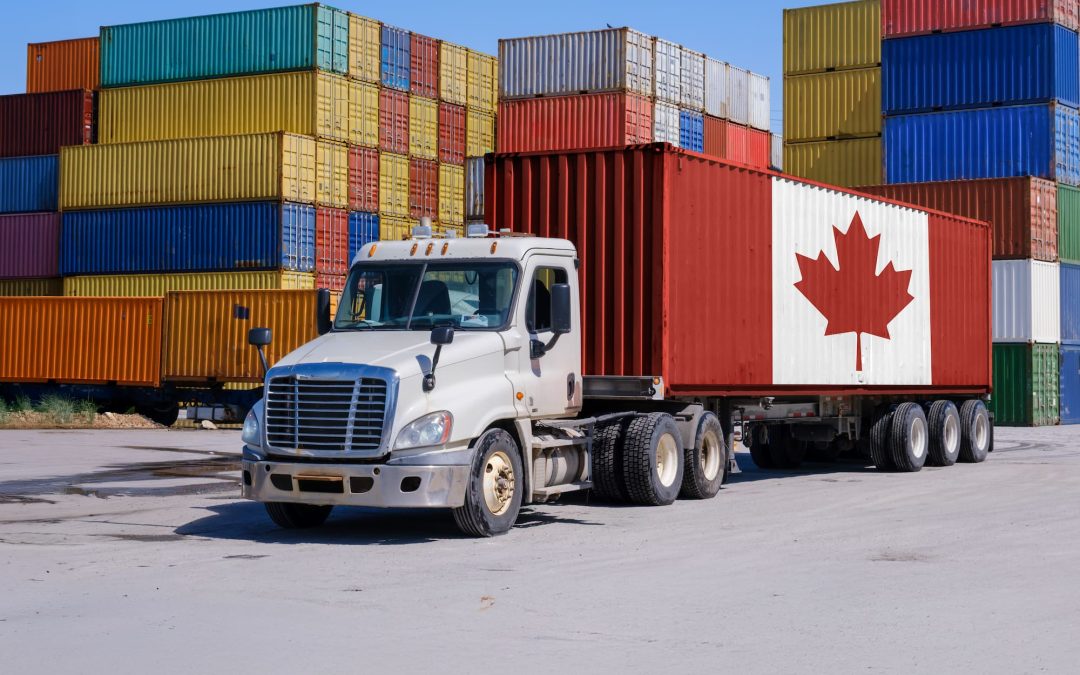
As tariffs remain an issue in shipping, shippers could continue to see Canadian tariffs affecting trucking. On July 20, the Trump Administration announced a 50% tariff on various goods coming from Canada. These included wine, cement, furniture, clothing, dairy products, sporting goods, and more. The reason was to address what President Trump called “unreasonable, unequal, and discriminatory actions.” Earlier this year, Canada imposed a dollar-for-dollar counter-tariff on billions of dollars in US exports. These levies followed earlier tariffs Trump imposed. While these new 50% duties affected international shipping, they also affected domestic shipping. This article explains the impact on domestic cargo movement and how shippers can protect their cargo.
How Are The Canadian Tariffs Affecting Trucking?
The US tariffs on Canada are affecting trucking in several ways, including higher costs. Even when cargo is imported internationally, the trucker may bear the cost through drayage services. Drayage picks up cargo from ports and transports it to the final destination. When import costs are higher, carriers tend to raise rates to break even. Another effect of higher import costs is that importers may bring less cargo into the US. In turn, this may result in less volume of goods that carriers can move domestically. This can lead to higher rates that shippers may feel. Less cargo volume may also negatively impact fleets by lowering potential profit margins.
How Can The Shipper Protect Their Cargo?
Because of tariffs’ effects, shippers should understand how to protect their cargo from rising costs. Comparing rates from multiple carriers helps when choosing a trucker. Consolidating loads and combining smaller shipments into larger ones can lower costs. Having strong relationships with carriers can also help secure lower rates. If possible, insourcing production in the US can help avoid tariff costs and the fees associated with clearing customs. With constant changes in tariff regulations, domestic shippers must stay current on any news that can affect their shipments. Shippers can do this by reading articles or speaking with a specialist, such as a freight broker or customs broker.
With tariffs continuing to affect domestic shipping, protecting your cargo is essential. Failure to do so can lead to rising costs and other supply chain disruptions. Another way to protect your cargo is to speak with a freight broker. Freight brokers act as middlemen between shippers and carriers, coordinating domestic cargo movement. They do this by offering services such as finding rates, handling documentation, and coordinating transportation. Brokers also provide consultation services to help navigate scenarios like tariffs. Contact A1 Freight Solutions at info@a1fsinc.com or 786-375-9420 to ensure a successful shipment anywhere domestically. For international shipping assistance, contact A1 Worldwide Logistics at 305-425-9456.