
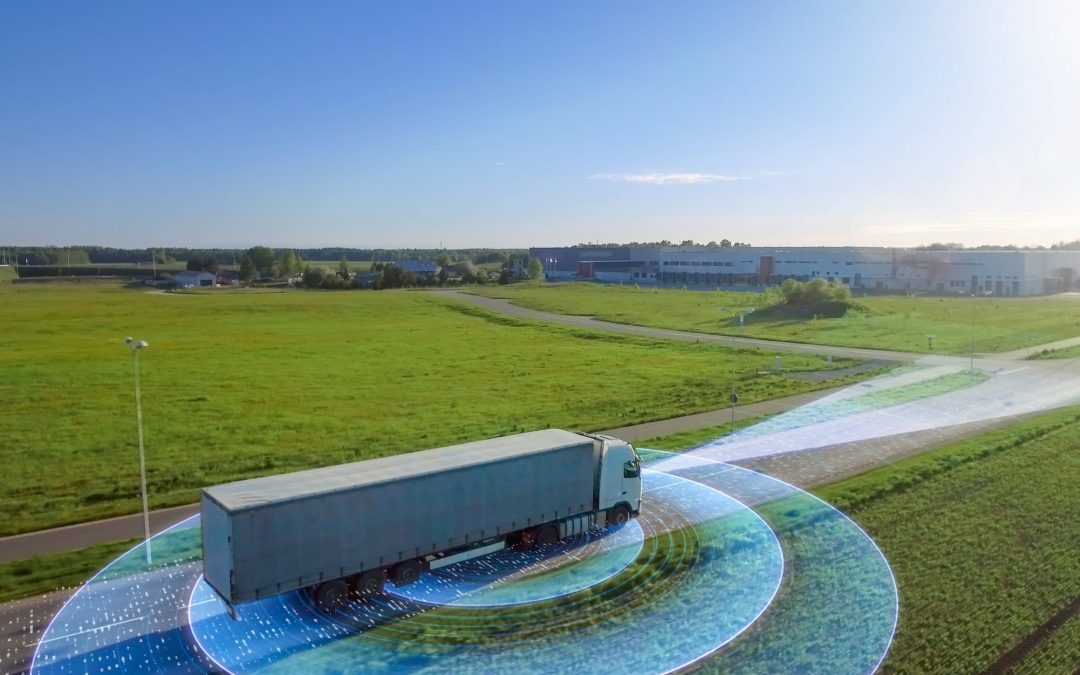
Autonomous trucks are growing in domestic shipping, with more of these carriers on the road. Self-driving, or autonomous, trucks are carriers that use technology to enable cargo transport with little or no human interaction. Some technologies carriers use include AI (Artificial Intelligence), advanced computing, mapping, and advanced sensors. Over the last decade, these carrier types have become more common for moving cargo domestically. A few trucking companies have announced plans to purchase hundreds of driverless trucks over the last week. On April 29, a carrier also achieved the first humanless commercial freight transport. The transition to autonomy may significantly impact domestic shipping, with some predicting a negative effect.
How Will Trucking Be Impacted As Autonomous Trucks Are Growing In Shipping?
The domestic shipping industry could soon be reshaped by the rise of autonomous trucks. A major benefit is that autonomy could lead to greater efficiency. For example, driverless carriers may be able to operate 24/7 without the need for regulations. In turn, this could lead to shorter lead times for shippers due to faster deliveries. Disruptions from driver shortages and fatigue will also decrease. Another benefit of autonomous trucks is that the overall cost of domestic shipping could lessen. One of the largest expenses in trucking is labor, which can fall across various supply chain components, from the shipper to the cargo receiver. Lower costs may also come from advanced computing that can optimize, accelerate, break, and improve fuel efficiency.
Could This Negatively Impact Trucking?
Although autonomy in trucking may be an excellent opportunity, some believe it will have an adverse effect. There have been many arguments against autonomy, including significant job displacement. Trucking is a common occupation with thousands of workers that autonomous carriers can displace. Safety is another argument, especially given that self-driving is relatively new. Autonomous trucks may encounter errors, such as equipment malfunctions caused by debris or bad weather, which can lead to accidents. Technologies like computing may also lead to hacking, which is hazardous to nearby drivers. While autonomous trucks are growing in number, it may be a while before they significantly impact domestic shipping. The shipper must still move their cargo to the final destination regardless of the situation. An ideal way to begin is to speak with a freight broker like A1 Freight Solutions. Brokers are intermediaries between the shipper and the carrier, coordinating domestic cargo movement on the shipper’s behalf. They do this by connecting to a network of carriers that can move your cargo anywhere in the US. Brokers also provide solutions such as finding quotes, arranging pickups, consultations, and more. Contact us at info@fsinc.com or 786-756-8795 to speak to a broker regarding your shipment’s success.