
Keeping you up to date
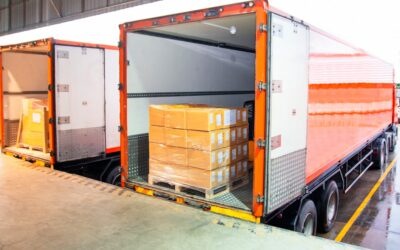
Is The LTL Industry Slowing Down?
While a potential slowdown may concern shippers, it should not stop the cargo flow. A benefit that can come from the current LTL industry is that the costs for shipping may go down. However, getting in touch with a freight broker can also lead to finding the best prices for moving goods.
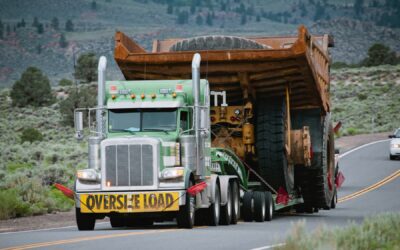
How is Oversized Cargo Transported Domestically?
Have you ever driven on a highway and noticed a truck with a sign saying “oversize load” on the front? An oversized load is a cargo that surpasses the weight or size that allows for conventional transportation by truck. Examples of this type of this freight include construction materials like large beams, machinery like bulldozers, and wind turbines.
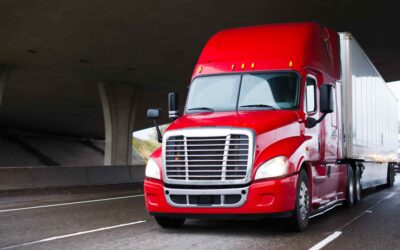
Trucking Capacity Continues to Increase in Peak Season
Transportation costs and trucking capacity change results from several reasons, including low demand. Customer spending demands may be lowering due to fears that the current recession will worsen. Similar LMI trends were shown in April 2019, marking a freight recession beginning after COVID lockdowns. The U.S. has also been facing its highest recorded inflation levels in 40 years, contributing to low demand.

What Lies Ahead for Zero Emission Trucks?
Diesel trucks are a significant source of air pollution. In 2018, medium to heavy-duty trucks emitted an estimated 440 million metric tons of carbon dioxide in the U.S. Transportation companies are searching for better trucking alternatives to minimize air pollution. Battery-powered and Hydrogen Fuel Cell trucks are some of these.

Middle Mile and Last Mile Logistics
Due to social distancing, it became more common for goods to be purchased online and delivered to a customer’s home. Even after the business started to reopen, customers began to see e-commerce as a primary shopping source. Many companies had to change how they thought of last mile delivery and started to factor in e-commerce.
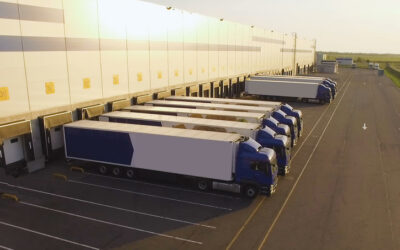
Who Can Help You Moving Freight?
In modern shipping, three terms pop up regularly, freight broker, freight forwarder, and customs broker. While they may seem similar, distinct differences are associated with each term. Understanding the differences and benefits of each can be helpful when planning on moving freight. Read here to know exactly what you need.